

Let's ask ourselves a fair and genuinely important question: In a world where we understand more about canine cognition, emotion, and welfare than ever before, why are we still reaching for tools and methods that rely on pain, force, or fear?
Walk into almost any pet store, scroll through social media, or overhear a conversation at the dog park, and you'll find them still hanging on the shelves and still wrapped around dogs' necks: prong collars, choke chains, shock collars, and the handful of other tools designed to stop unwanted behavior with fear and discomfort.
There's no judgment here. Most people who use these tools love their dogs deeply. They've been told it's necessary, effective, or even kind. So let's look at this gently, with curiosity instead of blame, and explore what the science actually says, why these tools and methods persist, and what a more compassionate path forward looks like.
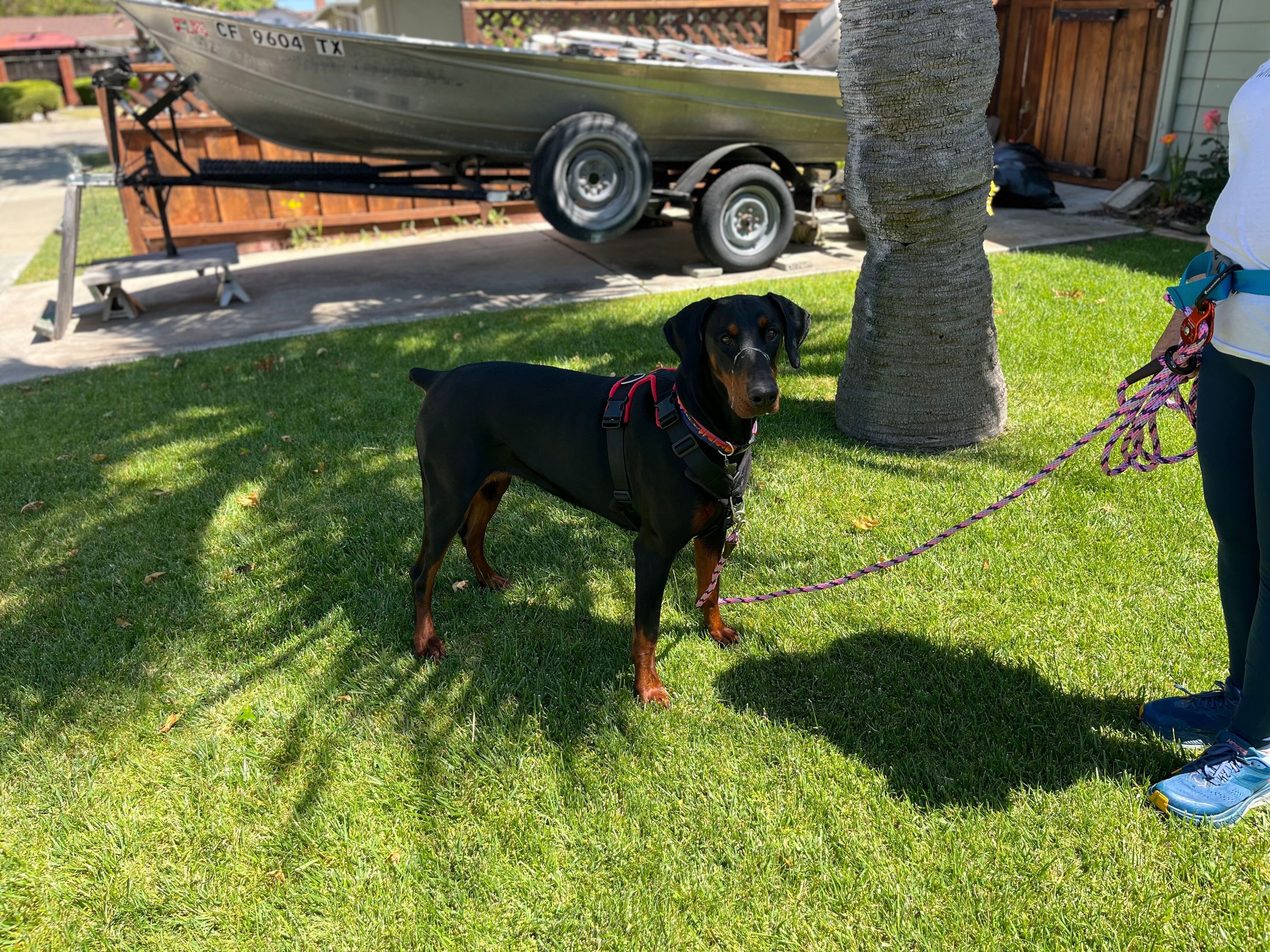
What These Tools Actually Do
To understand why this conversation matters, it helps to be clear about how these tools work. Prong collars and choke chains function by applying pressure, and often sharp pain, to the sensitive tissue of a dog's neck. Shock collars (sometimes called "e-collars" or "remote trainers") deliver an electric shock that ranges from a tingling sensation to outright pain. Even when marketed as "just a tap," the mechanism is the same: the dog experiences something unpleasant, and they change their behavior to avoid it.
This is called positive punishment (the addition of something unpleasant to decrease a behavior) and negative reinforcement (increases the likelihood of a behavior because the dog wants to avoid or escape something unpleasant), and it's important to name them honestly. The behavior stops not because the dog has learned a better way, but because they want to avoid the consequence or they want something unpleasant to stop.

The Science: What We Now Know About How Dogs Learn
Over the past two decades, the body of research on canine learning and welfare has grown enormously, and the consensus among leading veterinary and behavior organizations is clear. The American Veterinary Society of Animal Behavior (AVSAB) and the Pet Professional Guild (PPG), formally recommend against the use of aversive tools and methods, citing both welfare concerns and the availability of effective, humane alternatives.
Here's what the studies consistently show:
- Force-free methods are equally or more effective. Research comparing reward-based training with aversive methods finds that positive, force-free approaches produce reliable results, often faster and with better long-term retention, without the harmful side effects.
- Aversive tools increase stress and fear. Dogs trained with punishment show measurably higher levels of stress hormones, more anxious body language, and a greater likelihood of fear-related and aggressive responses.
- Punishment can suppress without resolving. A tool may stop a behavior in the moment, but it doesn't teach the dog what to do instead, and it doesn't address the underlying emotion or cause driving the behavior.
- It can damage the relationship. When a dog associates pain or fear with their guardian or their environment, trust erodes. The dog isn't learning to cooperate; they're learning to be careful.
If the Science Is Clear, Why Do These Tools Persist?
This is the heart of the question, and the answer is more human than we might expect. These tools don't survive because they're the best option. They survive because of a tangle of habit, marketing, desperation, and misinformation.
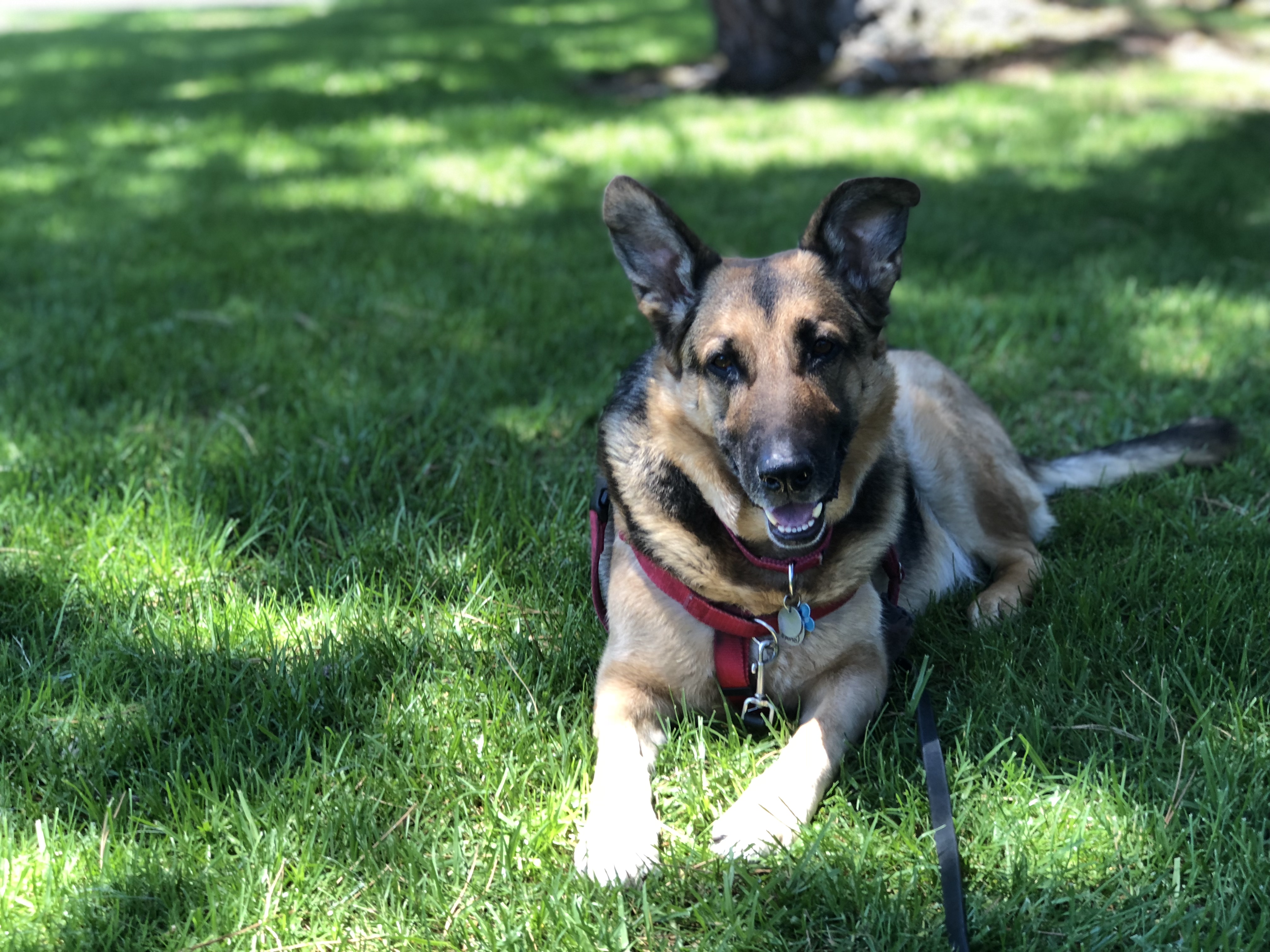
1. They promise a quick fix
When a dog is pulling relentlessly, reacting at every passing dog, or jumping on guests, guardians are exhausted and looking for relief. Aversive tools often appear to "work" immediately because they suppress the behavior through discomfort. What's less visible is the cost: the stress, the fallout, and the behaviors that often resurface later, sometimes worse.
2. They're easy to find and easy to recommend
These tools are on shelves in every pet store, often with packaging that frames them as safe, humane, or even "gentle." Well-meaning friends, outdated trainers, and viral videos reinforce the message that this is just how it's done. When everyone around you normalizes a tool, it's hard to question it.
3. We mistake suppression for success
A dog who stops pulling because the prong collar pinches their neck looks "fixed." But suppression isn't the same as learning. The dog hasn't developed a new skill or a different emotional response; they've simply learned that moving forward hurts. Remove the tool, and the behavior often returns. Worse, the underlying frustration or fear that drove the pulling was never addressed.
4. We misunderstand what dogs are telling us
As we explored in Would You Know If Your Dog Is In Pain?, adrenaline and endorphins can mask discomfort. A dog who seems "fine" or even "happy" wearing an aversive tool may simply be caught up in the anticipation of a walk, with feel-good hormones temporarily overriding the pain. Relief can look a lot like joy, and that misunderstanding keeps the cycle going.
The Hidden Cost: What Punishment Leaves Behind
When we rely on pain, force, or fear, we're not just stopping a behavior. We're shaping how a dog feels about the world, and about us. The research documents a pattern of fallout that guardians rarely connect back to the tool:
- Increased anxiety and reactivity. Punishment heightens a dog's overall arousal and can sensitize them to the very triggers they're being punished for reacting to.
- Learned helplessness. When a dog learns that nothing they do avoids the discomfort, they may shut down entirely, appearing "calm" when they're actually withdrawn and helpless.
- Redirected and defensive aggression. A dog who experiences pain or fear in the presence of a trigger may associate that pain with the trigger, or with the person holding the leash, leading to defensive responses.
- A fractured relationship. Trust, once eroded by repeated fear or pain, takes time and intention to rebuild.
A Kinder Path: What Force-Free Actually Looks Like
Here's the hopeful part. We don't need to choose between a dog that's easy to live with and a kind approach. Force-free, reward-based training isn't permissive or hands-off. It's structured, intentional, and grounded in what we know not only works, but keeps the welfare and well being of the animal at the forefront. Instead of asking, "How do I make my dog do something?", it asks, "How can I make the best choice clear, safe, and rewarding?"
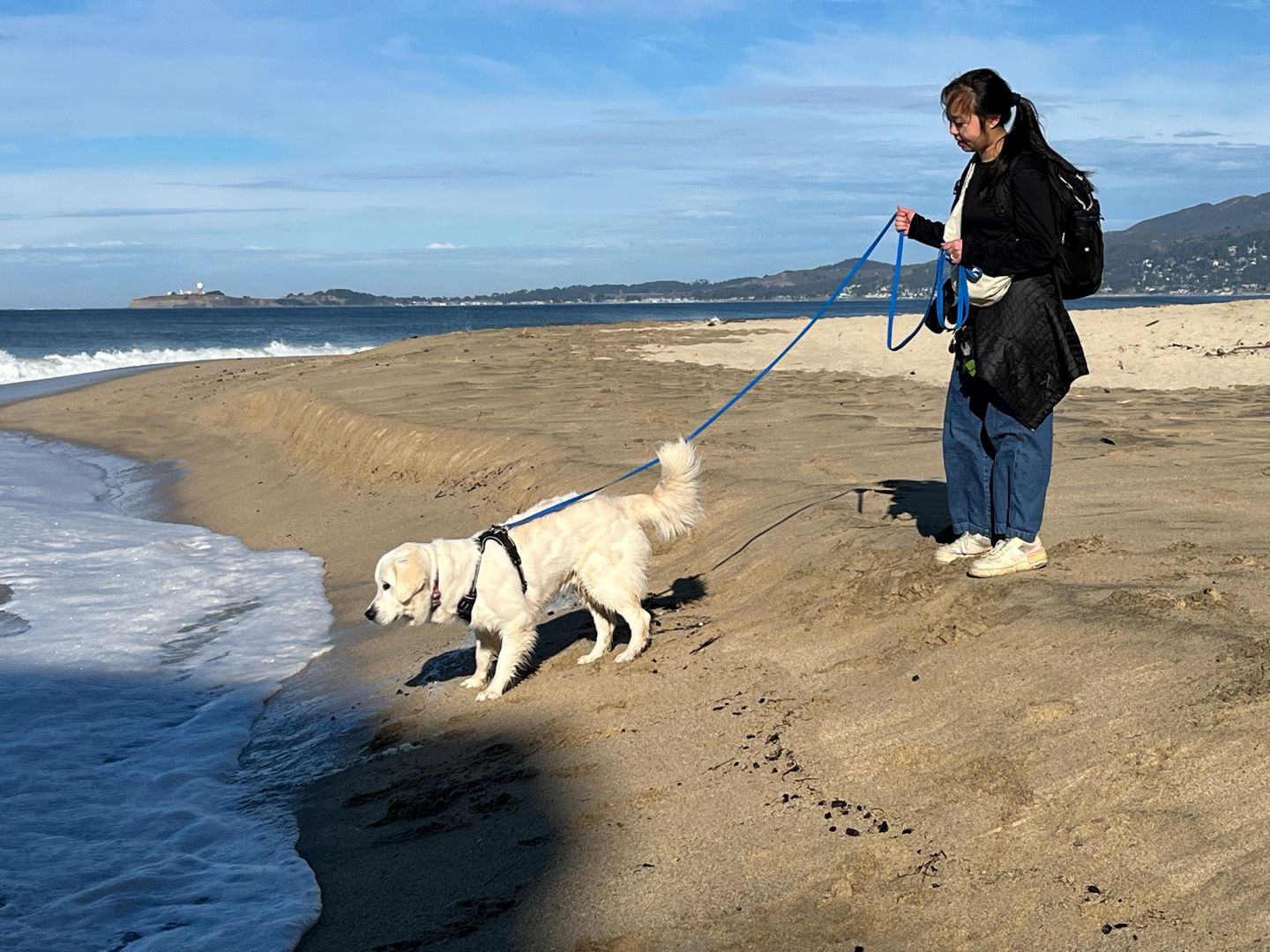
That shift in perspective opens up a toolkit that's both effective and humane:
- Addressing the underlying emotion. If a dog reacts out of fear, we work to change how they feel about the trigger, not just silence the reaction.
- Looking for physical causes. As I've written about before, behavior is often a symptom of pain. No tool fixes a sore back or an aching hip.
- Using better gear: An ergonomic harness with a leash clipped to the back is the safest gear setup we currently have.
- Managing the environment. Making sure our dogs feel comfortable in the environments we take them to. Instead of trying to force a dog to behave in a way that is touted as "good" in an environment that is stressful or scary for them, recognize that many dogs don't want to go to a busy festival or hang out on a restaurant patio.
- Giving the dog choices and teaching necessary skills. Allowing the dog to sniff at will on walks and choose the direction they go, and also teaching them to get in close at your side in case you need to quickly pass something or someone, or walk across a busy street.
If You've Used These Tools, You're Not a Bad Guardian
This is worth saying plainly. If you've used a prong collar, a shock collar, or a choke chain, you are not a bad guardian. You did what you were told would work, by people or companies selling products you trusted, because you wanted things to get better for you and your dog. That's not a failure of character. It's a reflection of how deeply these tools are woven into the culture around dog training.
The invitation here isn't to feel guilty. It's simply to stay curious. Now that you know more, you have the opportunity to choose differently, and that choice can change everything for you and your dog.
Moving Forward With Kindness
So why are we still using tools that rely on pain, force, and fear? Largely because of habit, marketing, and the seductive promise of a quick fix. But each of us, one decision at a time, has the power to change that. Every time we choose to teach rather than punish, to understand rather than suppress, we're not just training a behavior. We're building trust, safety, and a relationship that lasts.
Our dogs don't need to be controlled through pain, force, or fear. They need partnership, clarity, and consistency, and a recognition that they are sentient beings with rights. That's the kindness we keep forgetting, and it's the kindness worth remembering.
Looking for support that's grounded in kindness and built on trust? Tell me about your dog, and we'll build a force-free plan together.
Get new posts in your inbox
Compassionate, practical guidance for life with your dog — delivered when new articles are published. No spam, unsubscribe anytime.
The information in this article is educational and is not a substitute for individualized dog-training, behavior, or veterinary advice. Contact a qualified veterinarian regarding questions about your dog’s health or physical comfort.