
Dogs communicate constantly through their bodies. Learning to read these subtle signs that may indicate fear, stress, or anxiety can transform your relationship and help you respond to their needs before they feel the need to escalate their communication.
Remember T.E.M.P.
T — The Tail Tells a Story (But Not the Whole Story)
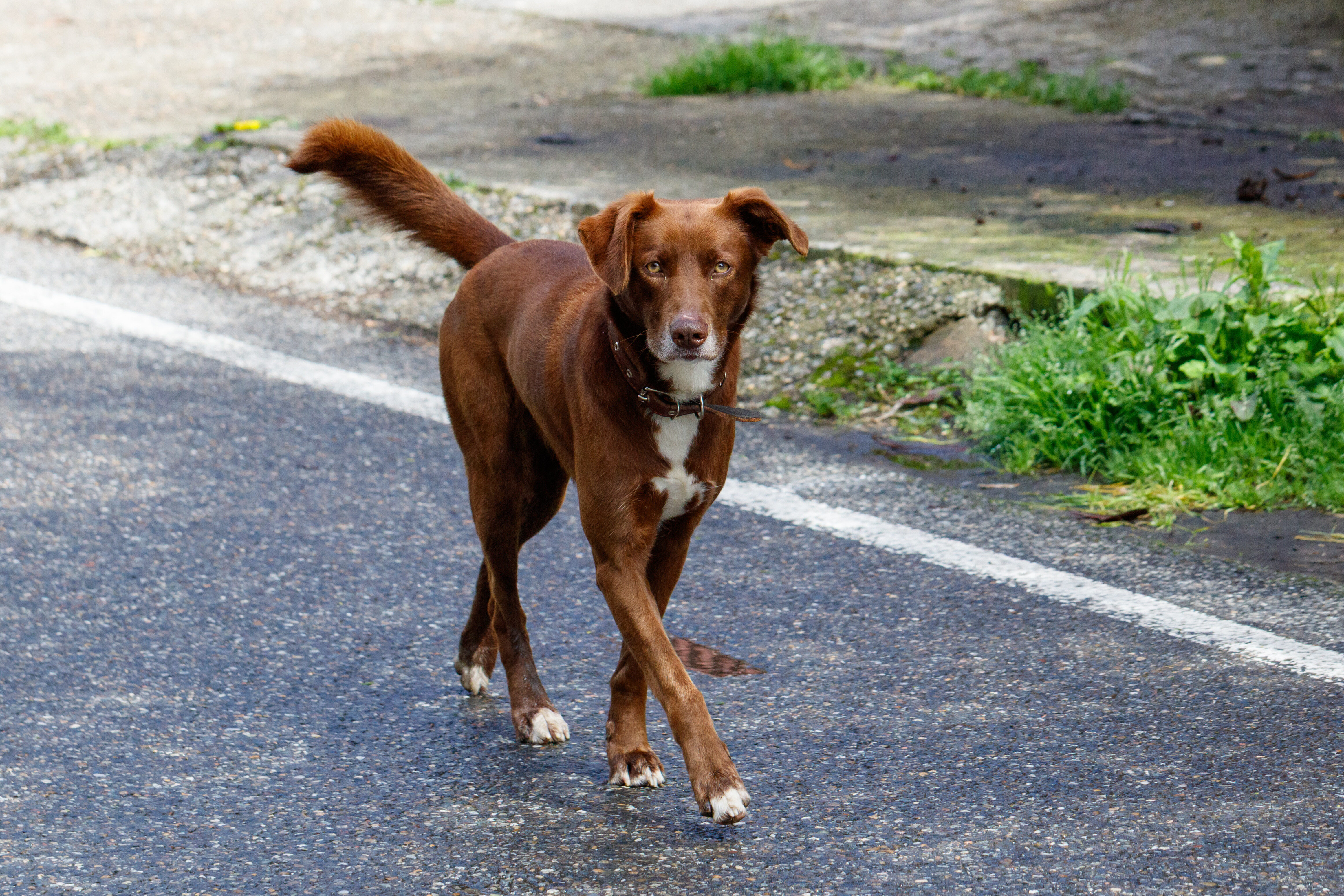
Photo: schankz / iStock
A wagging tail doesn't always mean a happy dog. The height, speed, and stiffness of the wag all provide important context. A loose, sweeping wag at mid-height generally indicates relaxation, while a stiff, high, rapid wag can signal high arousal or tension. A low tail displaying quick, narrow wags may be signaling anxiety. A tucked tail indicates fear.
E — Look at the Ears and Eyes
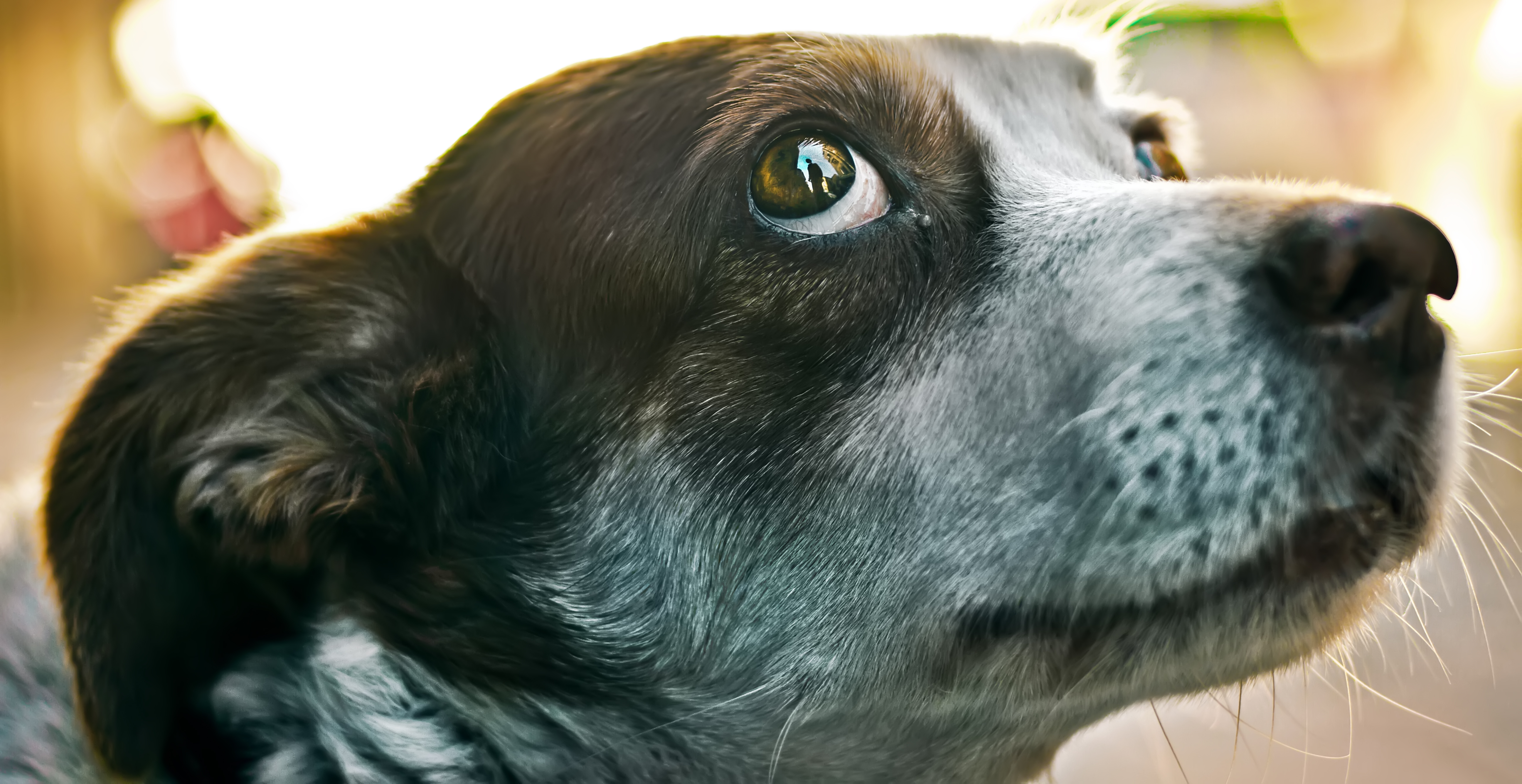
Photo: sadetgr / iStock
Ears pinned flat against the head often indicate fear or stress. Similarly, if you can see the whites of your dog's eyes — often called a "whale eye" — they may be feeling anxious or overwhelmed by their current situation.
M — What Are They Saying With Their Mouth?
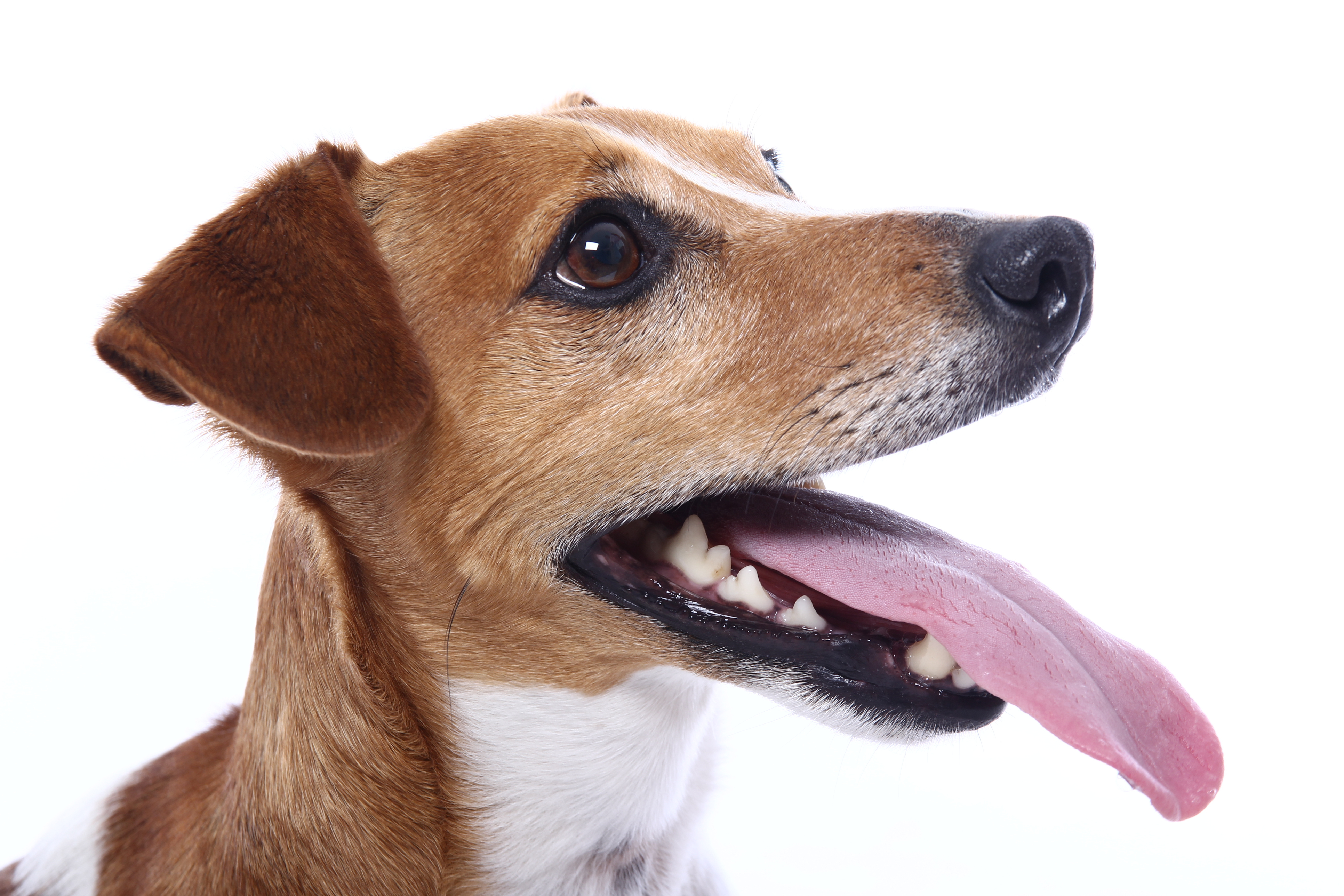
Photo: jpfotograaf / iStock
An open mouth may look like a smile, but sometimes it's stress. When the dog is panting when they haven't been exercising and/or it isn't hot, and their tongue is sticking straight out, called a spatulate tongue (and the corners of their mouth look like a "C") this is a sign that a dog is stressed. A closed mouth may mean the dog is sniffing and taking in a scent or it may be tightly closed and tense.
P — How Is Their Posture?
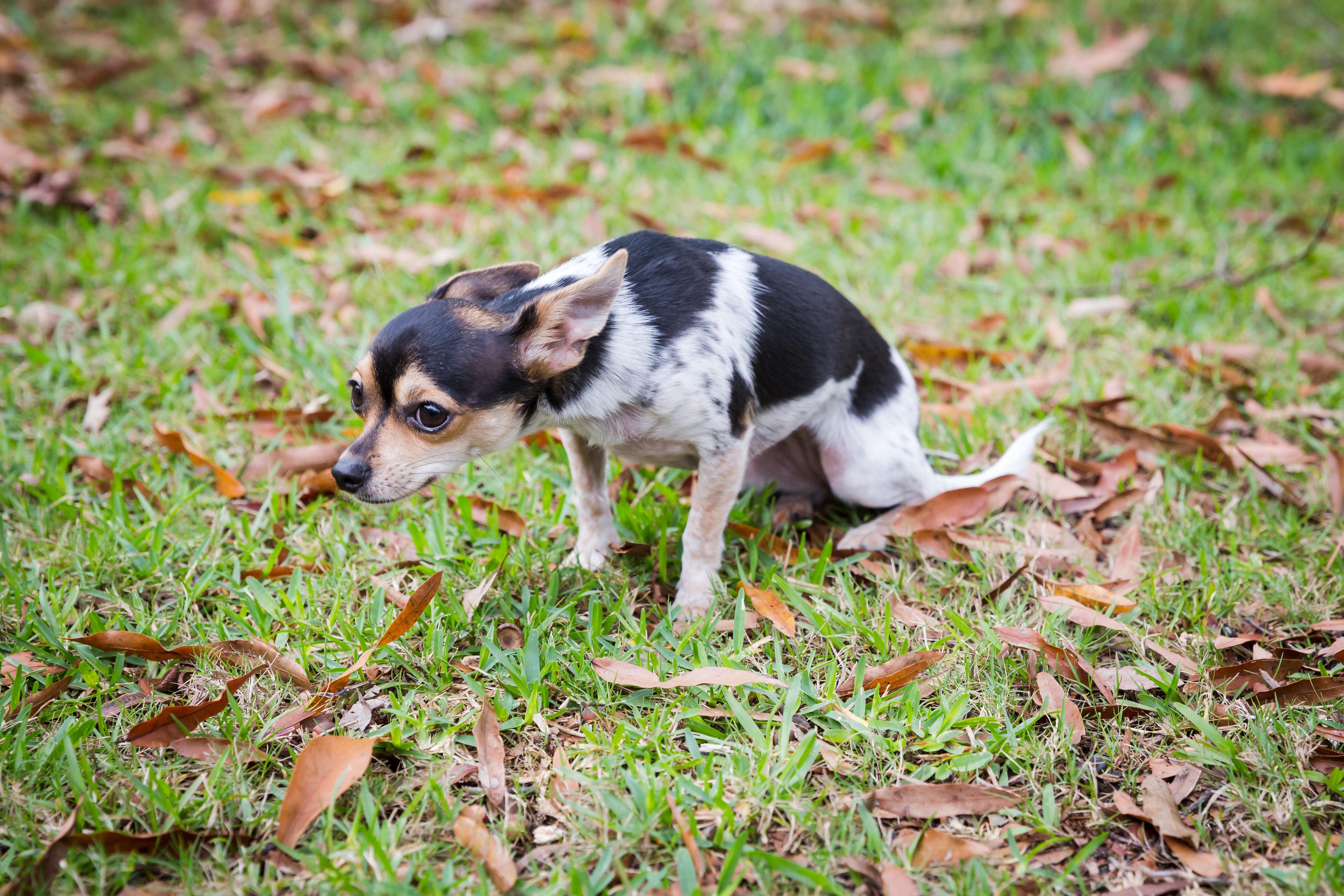
Photo: Charise Wilson Photography / iStock
Getting low or trying to make themselves look smaller may indicate appeasement — showing they aren't a threat and they may be experiencing fear. Standing tall and leaning forward with a high, erect tail, and ears up and forward, can signal high arousal and/or tension.
Doubletake: Decoding Displacement Behaviors
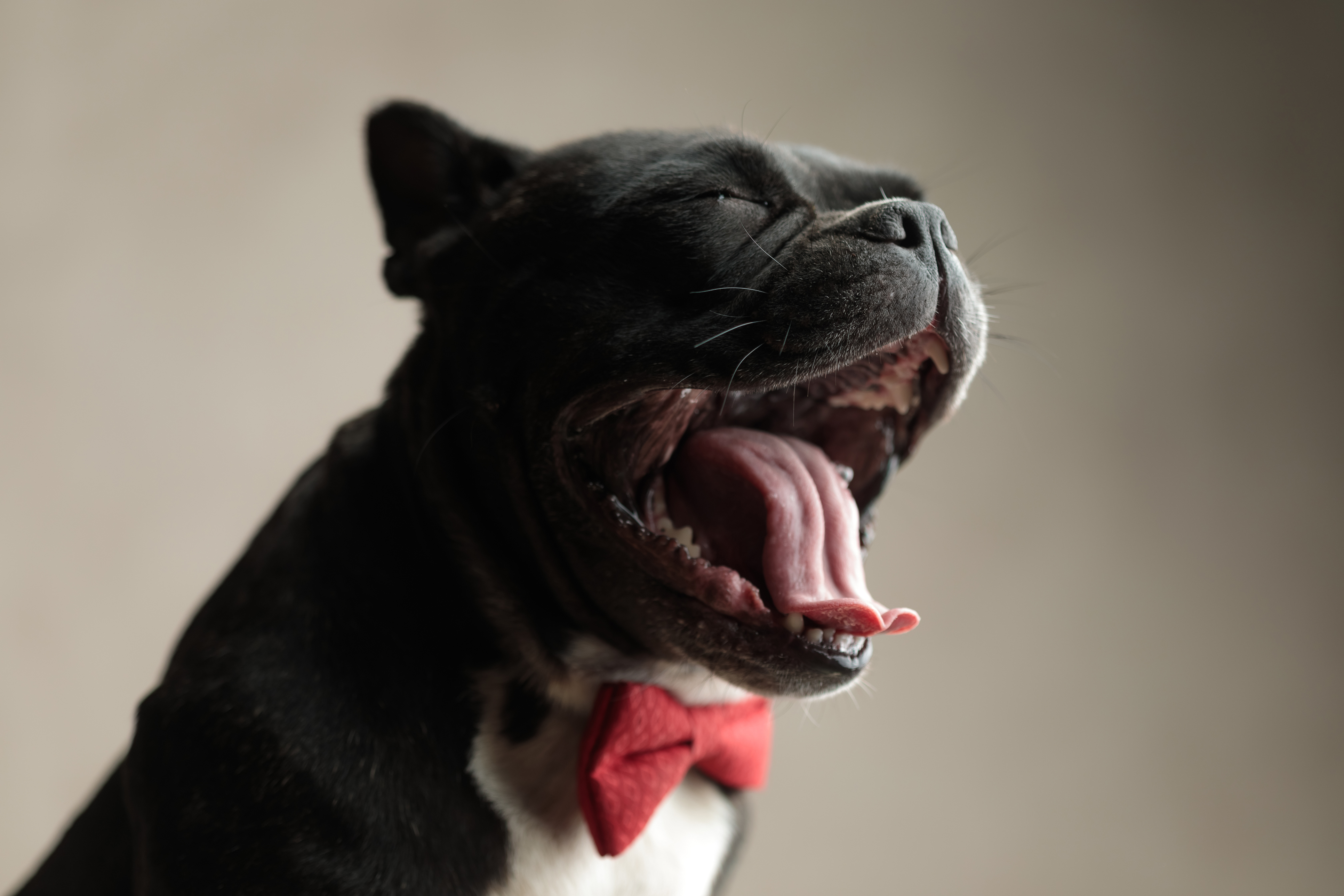
Photo: feedough / iStock
Displacement behaviors are normal dog behaviors that are out of context and mean the dog is feeling stressed and sometimes conflicted. It can be confusing because we see these all the time and don't know that they can mean different things in different situations.
Some examples of displacement behaviors that I see frequently are shaking off when the dog is not wet or dirty, yawning when the dog is rested, panting when it's not hot and/or the dog hasn't been exercising, lip licking when the dog hasn't been eating or drinking and isn't anticipating either one. Other displacement behaviors include sniffing, stretching, scratching, licking/nibbling/grooming, jumping up, rapid tail wagging, humping, bowing, blinking, and burping.
The Importance of Context
No single body language signal should be read in isolation. Always look at the whole dog and the environment they are in. Are they loose and wiggly, or stiff and frozen? Are they leaning away from something, or moving toward it with relaxed curiosity?
Understanding these signals is the first step toward building a stronger, more empathetic bond with your dog.
Get new posts in your inbox
Compassionate, practical guidance for life with your dog — delivered when new articles are published. No spam, unsubscribe anytime.
The information in this article is educational and is not a substitute for individualized dog-training, behavior, or veterinary advice. Contact a qualified veterinarian regarding questions about your dog’s health or physical comfort.