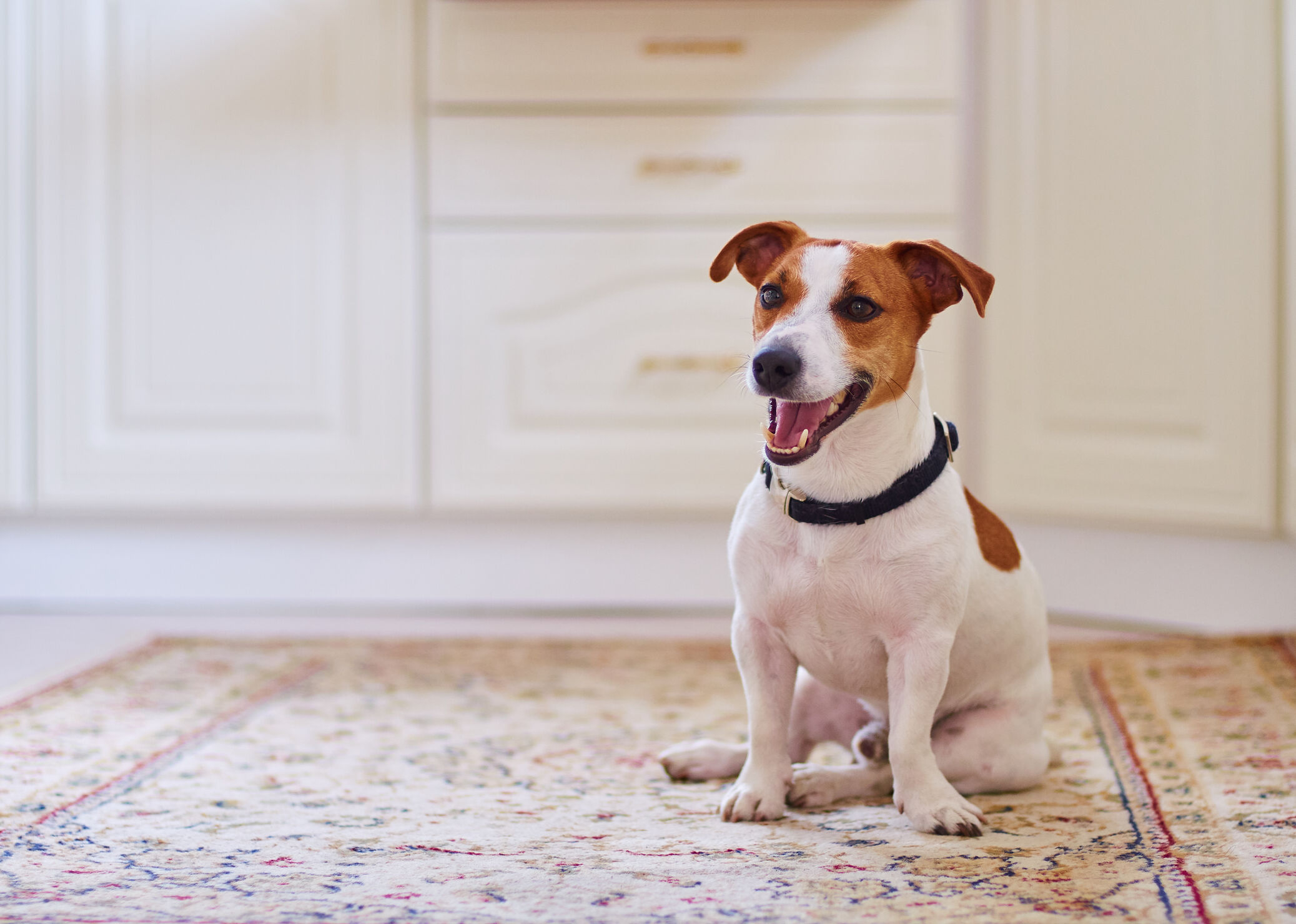
When a dog is hurting, they rarely let out a yelp or whimper or even limp. Instead, they often "quietly" go through life adjusting the way they move to alleviate discomfort and the way they behave to protect themselves.
By the time we see obvious signs of discomfort, dogs are usually at a high level of pain. But one way we can tell is by the way dogs position their bodies.
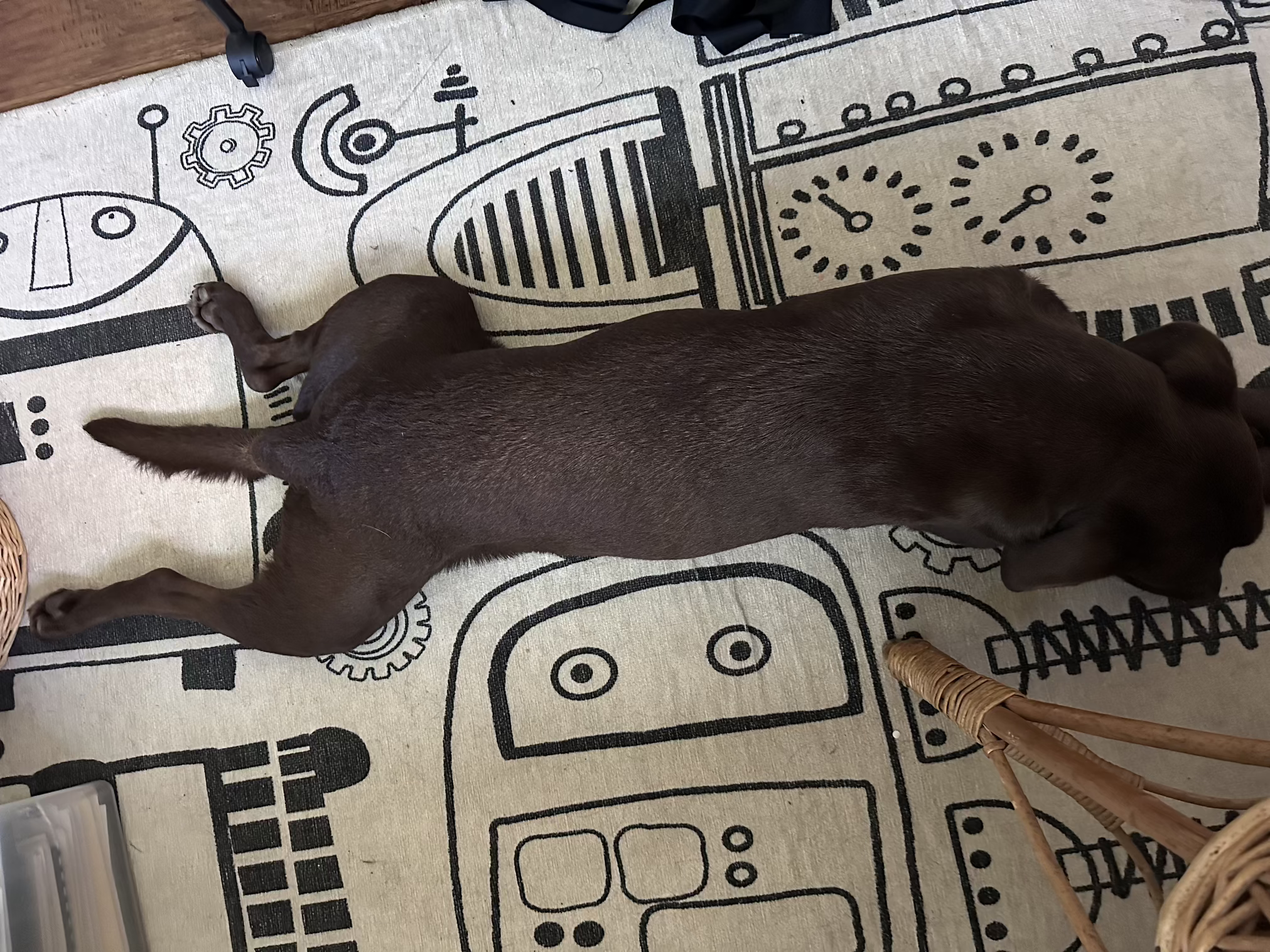
We laugh off an awkward "lazy sit," record a cute "sploot" for social media, or assume a lingering bow is just a playful mood. The problem is that we don't understand that these "cute" positions may actually have another meaning: our dogs may be trying to ease discomfort by adjusting the way they hold themselves.
Sometimes our dogs have been making these adjustments for years and sometimes it seems to happen overnight. Learning to read the subtle mechanics of your dog's posture can completely change how you advocate for their health, turning what looks like a funny habit into a timely discovery.
1. The "Lazy Sit": Goofy Stance or Painful Posture?

- The Look: Instead of sitting squarely with front and back legs aligned, your dog slumps or collapses over to one side, resting their weight on one hip or leg, or sitting back on the base of their tail.
- The Misconception: It's often referred to as a "puppy sit" or "lazy sit," leading guardians to think their dog is either lazy or relaxed.
- The Reality: A consistent "lazy sit," even in puppies, is a way for dogs to ease discomfort. By shifting their weight to one side, they can ease tension in uncomfortable areas.
2. The "Sploot": Cute Stretch or Compensating Clue?
3. The "Bow": More Than Just for Play
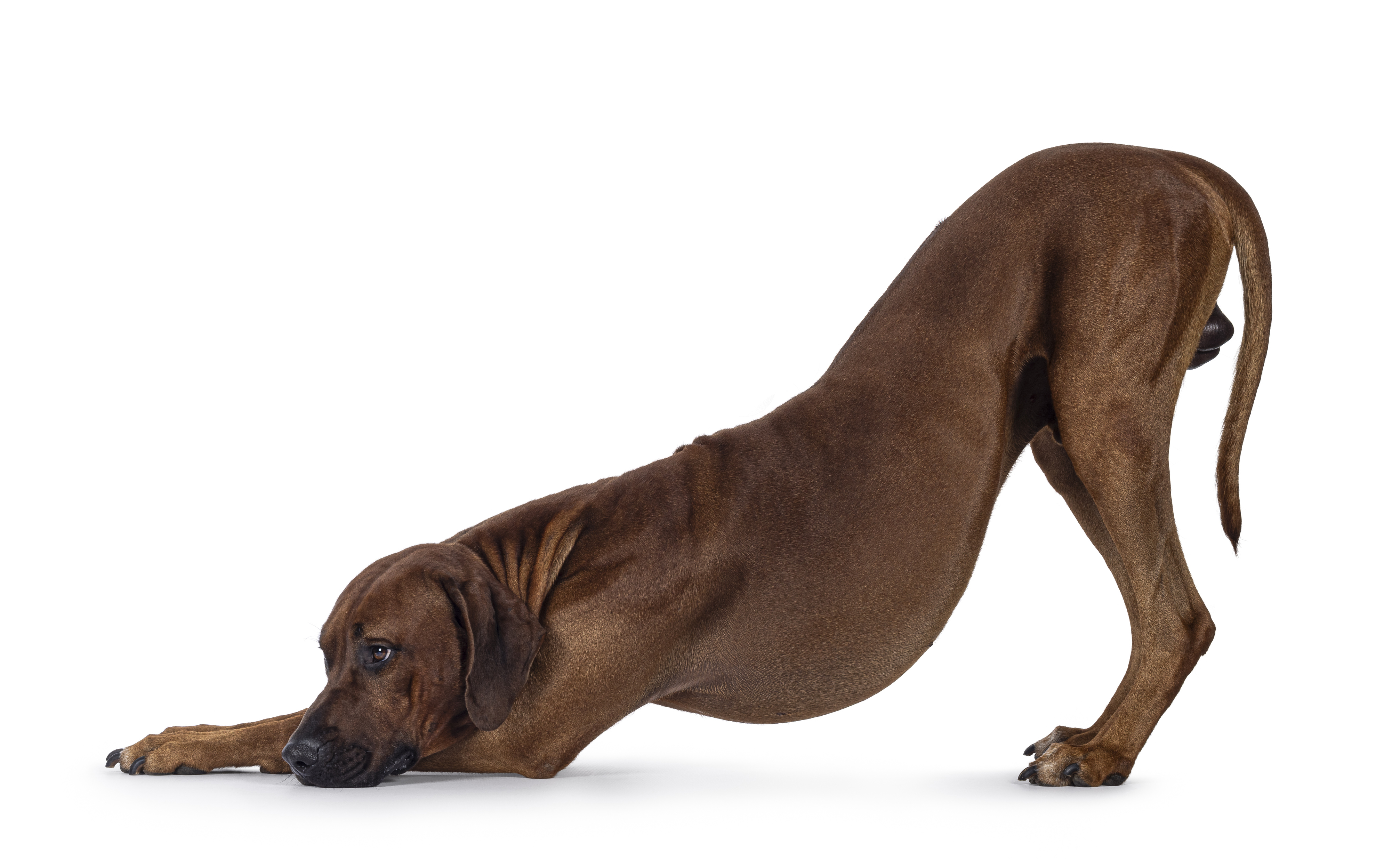
Photo: Nynke van Holten / iStock
- The Look: Your dog stretches their front legs out flat on the floor while keeping their rear end raised high in the air.
- The Misconception: Because we typically think of this as a "play" bow, it's easy to assume your dog is feeling spunky or inviting you to play.
- The Reality: A true play bow is bouncy and paired with loose body movements. But if the bow is held for prolonged periods with a tense body, this could be a sign that your dog isn't physically comfortable. Dogs may adopt this stance to relieve pressure in their abdomen due to some sort of GI distress that may require a visit to the vet.
When to Call the Vet: Recognizing Red Flags
Certain signs indicate that your dog's stance is a signal of discomfort rather than a quirky habit. Contact your veterinarian if you notice any of the following:
- Sudden Onset: A brand-new posture or sitting habit that appears out of nowhere without a clear reason.
- Continuation Over a Long Period of Time: Just because a dog has always done something, doesn't mean that they're okay. And just because it's something that is common for their breed, doesn't mean that it's normal and should be dismissed.
- Prolonged Duration: Holding positions like the bow for long periods or struggling to pull themselves out of a sploot or sit.
- Accompanying Behavioral Shifts: Reluctance to jump, climb stairs, go for walks, or play.
- Physical Distress Cues: Heavy panting while at rest; vocalizing when changing positions; whining; or touch, handling, or body sensitivities.
- Loss of Appetite or Lethargy: Refusing food, drinking less water or drinking excessively, or appearing unusually withdrawn and disinterested in daily activities.
Listen to What Their Body Language Is Saying
Our dogs can't tell us with words where it hurts, but their bodies speak volumes if we know what to look for. Recognizing that a "lazy sit," a "sploot," or a prolonged "bow position" might be a call for help rather than just a quirk, is the first step toward advocating for their health and comfort.
If you suspect your dog's posture is hiding underlying discomfort, trust your instincts and schedule a checkup with your veterinarian. Catching discomfort early makes all the difference in keeping your best friend happy, comfortable, and moving freely for years to come.
Hero photo: franciskocz / iStock
Get new posts in your inbox
Compassionate, practical guidance for life with your dog — delivered when new articles are published. No spam, unsubscribe anytime.
The information in this article is educational and is not a substitute for individualized dog-training, behavior, or veterinary advice. Contact a qualified veterinarian regarding questions about your dog’s health or physical comfort.