
When a dog zooms wildly through the living room, pulls relentlessly on the leash, or leaps onto every visitor at the front door, the immediate reaction is often to view these actions as training failures or behavioral issues. However, through the lens of Dr. Laura Donaldson's somatic healing approach, these actions are frequently symptoms of nervous system dysregulation.
Dysregulation isn't a training problem. It is a physiological state. Understanding how it develops and manifests allows dog guardians to move from frustration to compassionate, body-based support.
How Dysregulation Shows Up
Nervous system dysregulation occurs when a dog's body is unable to return to a balanced, grounded baseline after experiencing stress, excitement, or sensory overload. Because the body is stuck in a state of hyper-arousal (or hypo-arousal/shutdown), the behavior follows the physiology.
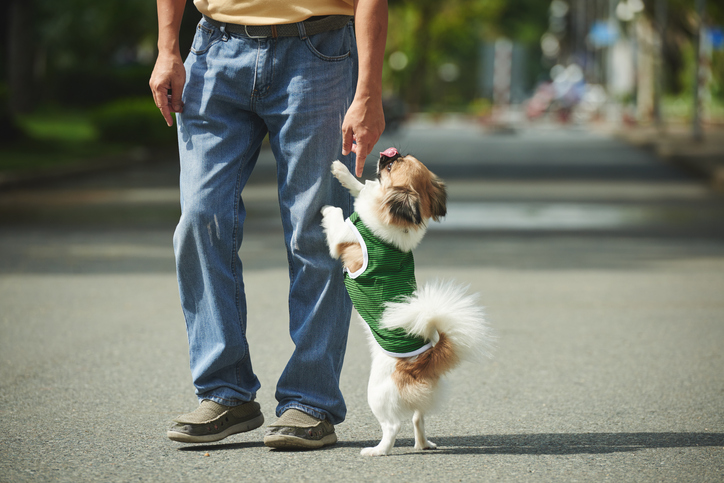
Photo credit: iStock, DragonImages
Common Manifestations of Hyper-Arousal:
- Leash Pulling: Pulling ahead due to over-arousal, hyper-vigilance, or a physiological need to move faster than the handler's pace to process the environment.
- Jumping Up: An involuntary discharge of excess energy or a frantic attempt to seek contact and regulation.
- Hyperactivity & Restlessness: Inability to settle, constant pacing, or rapid shifting from one task to another because the nervous system cannot down-regulate.
- Vocalizations & Mouthiness: So-called “demand” barking, whining, or frantic grabbing with the mouth as a somatic expression of internal tension.
Where It Begins: In Utero & Early Life Factors
A dog's capacity for regulation doesn't begin on the day they enter your home, nor does it start during their first obedience class. The baseline for a dog's nervous system begins forming before they are even born.
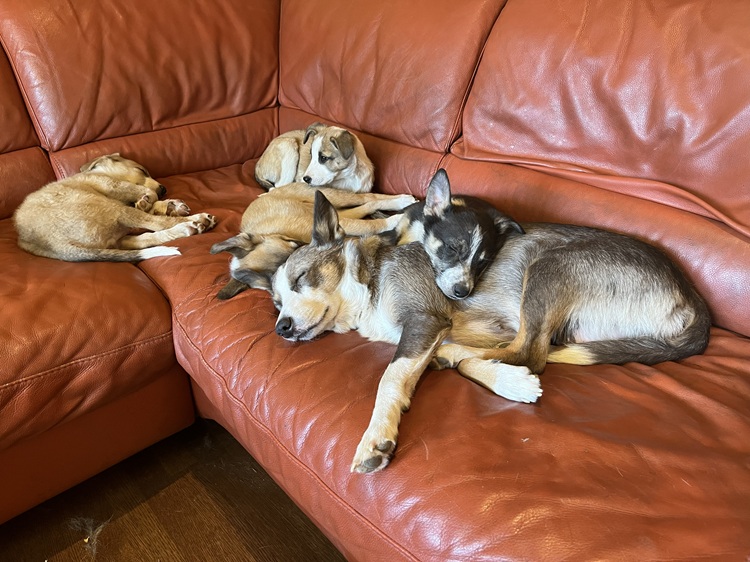
- In Utero Stress (Prenatal Factors): High stress levels in the pregnant mother release cortisol and other stress hormones. This physiological exposure shapes the developing nervous systems of the puppies, making them more susceptible to dysregulation later in life.
- Early Neonatal Experiences: Early separation from the mother, inadequate maternal care, or stressful breeding environments can disrupt the critical early window where self-regulation foundations are laid.
Contributing Factors & Developmental Milestones
Dysregulation is dynamic and builds over time through a combination of internal physiology and external environments.
Key Drivers of Dysregulation:
- Developmental Stages:
- Fear Periods: Natural developmental phases (around 8–11 weeks and again during adolescence) where the brain reorganizes, temporarily increasing sensitivity to environmental threats.
- Adolescence: Hormonal shifts and rapid brain development can temporarily impair impulse control and increase nervous system reactivity.
- Senior Years: Cognitive changes, sensory decline, and physical pain can lower a dog's threshold for handling stress, leading to newfound anxiety or restlessness.
- Chronic Physical Discomfort: Unaddressed pain, gastrointestinal distress, or micro-injuries keep the sympathetic nervous system continuously activated.
- Environmental & Lifestyle Overwhelm: Persistent exposure to loud noises, busy living conditions, or lack of agency/choice continuously drains a dog's capacity to self-regulate.
Innate Self-Regulation: How Dogs Naturally Ground Themselves
Before we intervene with training or structured interventions, it helps to recognize that dogs possess their own innate wisdom for discharge and down-regulation. When a dog experiences a spike in arousal or stress, their body naturally attempts to return to equilibrium through specific somatic behaviors.
Common Innate Grounding Behaviors:
- The Full-Body Shake-Off: Often seen immediately after a stressful interaction, a vet visit, or intense play, a dog will shake their entire body from nose to tail. This involuntary motor pattern releases residual physical tension held in the musculoskeletal system, resetting their baseline.
- Spontaneous Yawning & Lip-Licking: Outside of being tired, a slow yawn or subtle tongue-flick serves as a somatic release. These actions engage facial muscles connected to vagal pathways, helping lower heart rate and restore equilibrium.
- Digging & Scratching the Earth: Paw-to-ground contact offers immediate tactile feedback. Digging or scratching at bed linens or grass acts as an organic proprioceptive anchor, helping a dog feel physically rooted when their internal state feels chaotic.
- Deep Stretching (The “Play Bow” or Long Stretch): Lengthening the spine and extending the front or hind legs releases somatic tension stored in fascia and muscles, signaling to the brain that the immediate threat has passed.
- Seeking Hard Surfaces or Small Spaces: Lying down on cool tile, pressing their back against a couch, or wedging into a tight corner provides heavy proprioceptive pressure. These tactile boundaries help an over-stimulated nervous system process sensory input safely.
Somatic Practices: Working with the Body
Dr. Laura Donaldson's approach emphasizes that true emotional balance cannot be forced through cognitive training alone; it must start at the physiological level. Rather than asking a dog to "obey" while in a state of terror or frenzy, somatic practices help down-regulate the autonomic nervous system, shifting the dog out of a sympathetic "fight-or-flight" response and into a parasympathetic "rest-and-digest" state.
Vagus Nerve Activation & Social Buffering
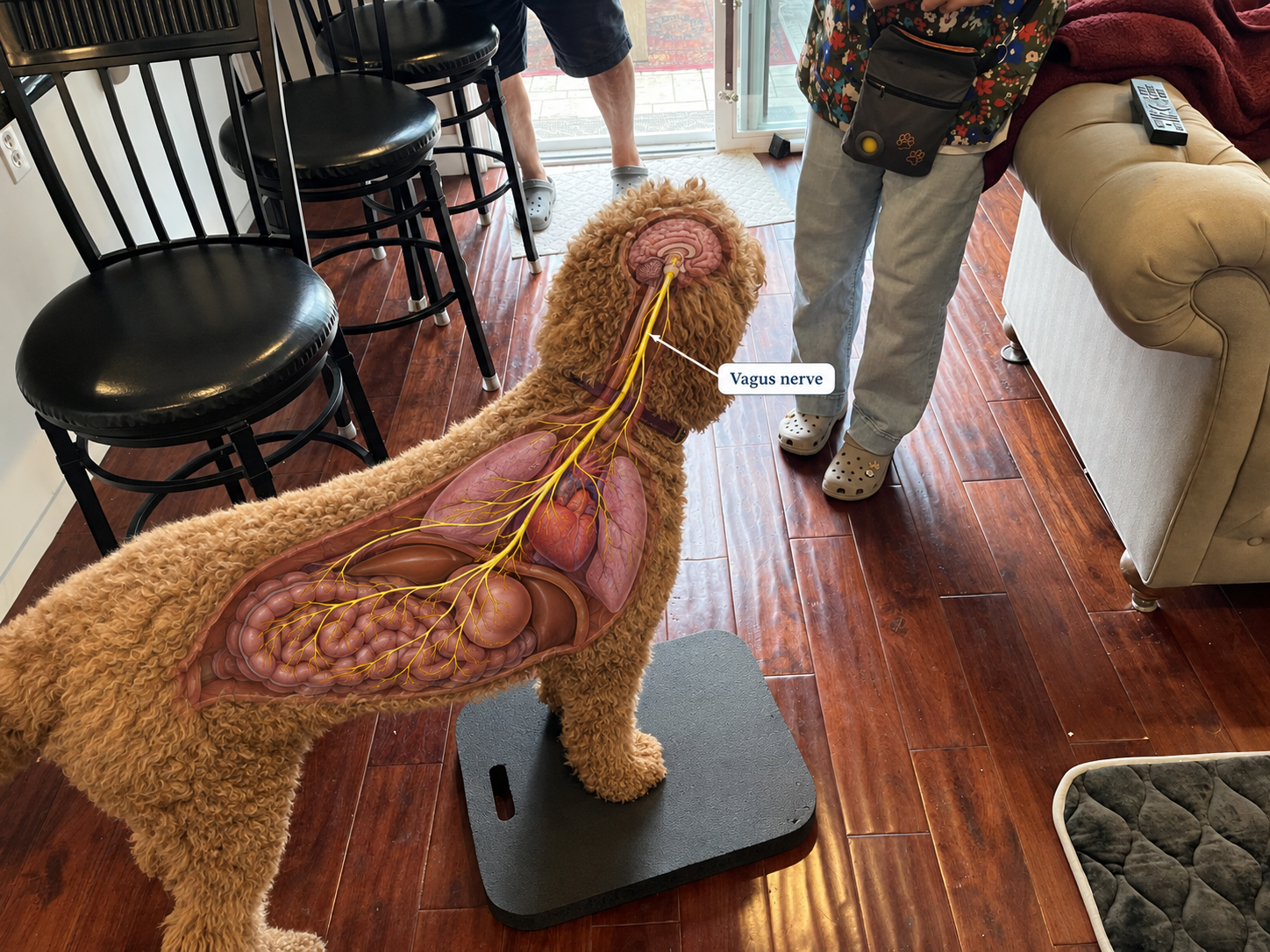
The vagus nerve serves as the primary communication highway between the brain and body. When a dog experiences safety, the ventral vagal pathway engages, slowing the heart rate and softening muscle tone. Your presence acts as a social buffer: a calming anchor that co-regulates your dog's nervous system. Gentle, deliberate breathing and an unhurried voice allow your dog to mirror your physiological state through social mimicry.
Grounding & Proprioceptive Work
Dysregulated dogs often lose awareness of their own bodies. Grounding techniques re-engage the proprioceptive system (the body's sense of self-movement and spatial orientation):
- Paws-On Platforms: Inviting a dog to place two paws onto a low, stable platform helps ground their physical body, encouraging a pause in “reactive” behavior.
- Slow, Deliberate Movement: Slowing down movement releases physical tension held in muscle tissue, helping shift the brain from "fast-twitch" impulsive reactions to reflective processing.
Therapeutic "Everyday" Sniffing
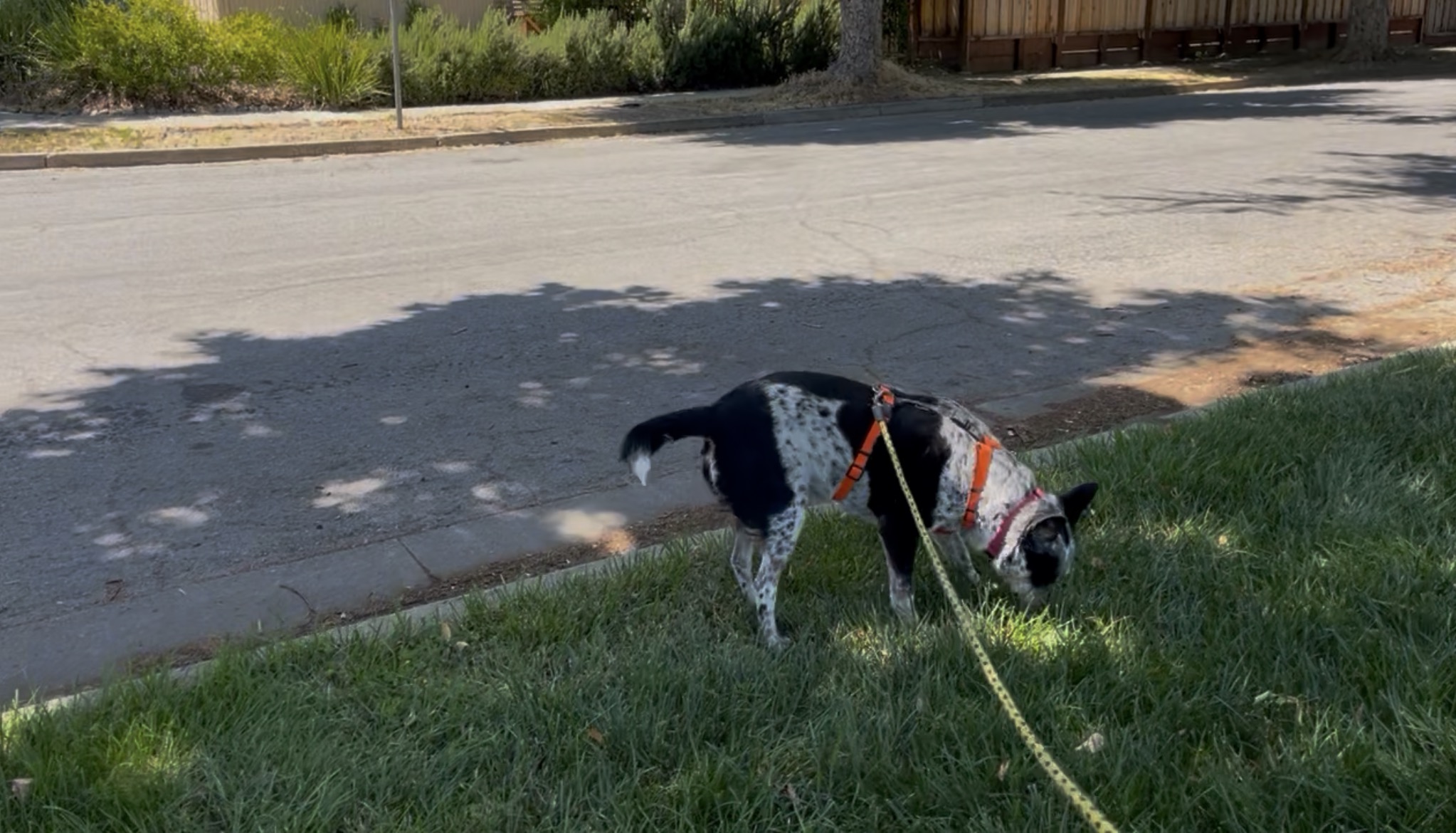
Sniffing is not just an environmental exploration; it is a vital somatic tool. As Dr. Donaldson notes: “Sniffing is a welfare issue for dogs.” Lowering the head to sniff engages the parasympathetic nervous system, naturally lowering heart rate and promoting deep, rhythmic breathing.
Practical Steps for Guardians: Supporting Your Dog at Home
Integrating trauma-informed, body-based care into your routine does not require complex equipment. Small, intentional adjustments can dramatically improve your dog's ability to self-regulate.
| Strategy | How to Practice | Why It Helps |
|---|---|---|
| Paced Sniffaris | Long-line, choice-led walks where your dog directs the path and sniffs uninterrupted. | Lowers heart rate, promotes self-soothing, and restores agency. |
| Licking & Chewing | Provide stuffed frozen toys, lick mats, or long-lasting chews in a calm environment. | Repetitive licking releases calming neurochemicals, triggering the relaxation response. |
| Co-Regulation | Sit quietly near your dog, taking slow, deep, audible breaths without demanding contact. | Offers safety without pressure, encouraging the vagus nerve to down-regulate. |
| Touch Boundaries | Use slow, reassuring pressure only if the dog seeks it out; avoid forced touch. | Respects somatic boundaries and prevents accidental escalation of tension. |
Key Takeaways for Guardians
- Prioritize State Over Behavior: Always address your dog's internal physiological state before trying to change an outward behavior.
- Avoid Flooding: Pushing a dog to face their fears forces the body into deeper dysregulation or "shutdown." Let your dog set the pace.
- Empathy Over Labels: A dysregulated dog isn't being "stubborn" or "dominant," they are struggling to cope with an overwhelmed nervous system.
Moving Forward: From Control to Connection
Understanding dysregulation shifts our perspective from managing a "problem dog" to supporting an overwhelmed nervous system. When we stop viewing behaviors like leash pulling, jumping, or hyperactivity as willful defiance and begin seeing them as involuntary somatic expressions of stress, our entire approach transforms.
By meeting your dog with somatic grounding techniques, vagal support, and deep empathy, you offer them the greatest gift a pet guardian can provide: true safety, as Dr. Donaldson refers to it. Healing a dysregulated nervous system takes time, patience, and consistency, but every calm moment you share builds resilience. Trust the process, honor your dog's pace, and remember that when you help your dog feel safe in their body, “training” or “behavior modification” are often no longer needed.
Interested in learning more? Dr. Laura Donaldson offers an amazing array of online courses. Click this link to check them out and sign up!
Hero Photo Credit: iStock, Kiwis
Get new posts in your inbox
Compassionate, practical guidance for life with your dog — delivered when new articles are published. No spam, unsubscribe anytime.
The information in this article is educational and is not a substitute for individualized dog-training, behavior, or veterinary advice. Contact a qualified veterinarian regarding questions about your dog’s health or physical comfort.